
Introduction
Intraoral scanners in dentistry are changing how dentists care for your teeth. These devices use modern dental technology to create digital dental impressions. As a result, dental visits are becoming more comfortable and accurate. The benefits of intraoral scanners include faster results, less mess, and better patient experiences. In the United States and around the world, more dental clinics are using these tools. This blog explains why intraoral scanners are important, how they work, and what you can expect during your visit.
What is an Intraoral Scanner?
An intraoral scanner is a small, handheld device. Dentists use it to take pictures inside your mouth. These pictures create a 3D digital model of your teeth and gums. Because of this, dentists can see details that help them plan your treatment. Intraoral scanners are part of modern dental technology and are used for many dental procedures.
How Intraoral Scanners Work
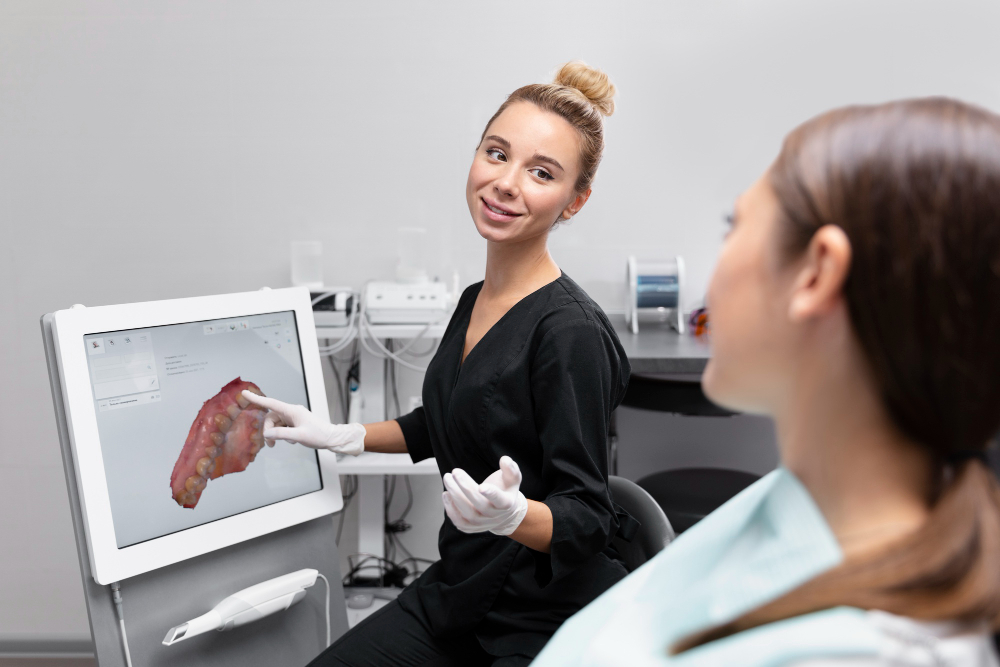
First, the dentist gently moves the scanner inside your mouth. The scanner takes many pictures in seconds. Next, special software combines these images into a digital dental impression. This process is quick and does not cause pain. In fact, you can see the 3D model on a screen right away. Many patients find this process easy and interesting.
Key Benefits of Intraoral Scanners in Dentistry
Intraoral scanners offer many advantages for both patients and dentists. Some key benefits include:
Because of these benefits, more dental clinics in the United States are choosing intraoral scanners.
Patient Experience and Comfort
Many people worry about dental impressions. Traditional methods use sticky materials that can feel uncomfortable. However, intraoral scanners do not use these materials. Instead, the scanner is small and gentle. Most patients feel less anxious and more relaxed. In addition, the process is faster, so you spend less time in the dental chair. For children and adults alike, this makes dental visits easier.
Accuracy and Efficiency in Dental Procedures
Intraoral scanners provide very accurate digital dental impressions. Because of this, dentists can spot problems early and plan better treatments. The digital files can be sent to dental labs quickly. As a result, crowns, bridges, and aligners fit better and arrive sooner. This saves time for both patients and dentists. Studies in dental journals show that digital impressions are often more precise than traditional ones.
Comparison with Traditional Dental Impressions
Traditional dental impressions use trays filled with soft material. This can be messy and uncomfortable. Sometimes, the impression does not turn out well, so it must be repeated. In contrast, intraoral scanners are clean and quick. They reduce errors and the need for extra appointments. Patients in the United States and other countries now prefer digital impressions for these reasons.
Future of Dentistry with Intraoral Scanners
As technology improves, intraoral scanners will become even more common. Dentists will use them for more types of treatments. For example, they help with braces, crowns, and even dental implants. Because digital files are easy to store, your dental records stay safe. The future of dentistry will be faster, more accurate, and more comfortable for everyone.
Safety and Reliability
Intraoral scanners are safe for all ages. They do not use radiation or harmful chemicals. The process is gentle and does not damage teeth or gums. According to the American Dental Association, these devices are reliable and help improve dental care. Dentists clean and disinfect the scanner after each use, so you can feel safe during your visit.
Frequently Asked Questions (FAQs)
Conclusion
Intraoral scanners in dentistry are making dental care better for everyone. They offer comfort, speed, and accuracy. Because of these benefits, more clinics are using them every day. If you want a better dental experience, ask your dentist about intraoral scanners. Consult your dentist to learn how intraoral scanners can improve your dental care experience.