
What is Smoker’s Keratosis?
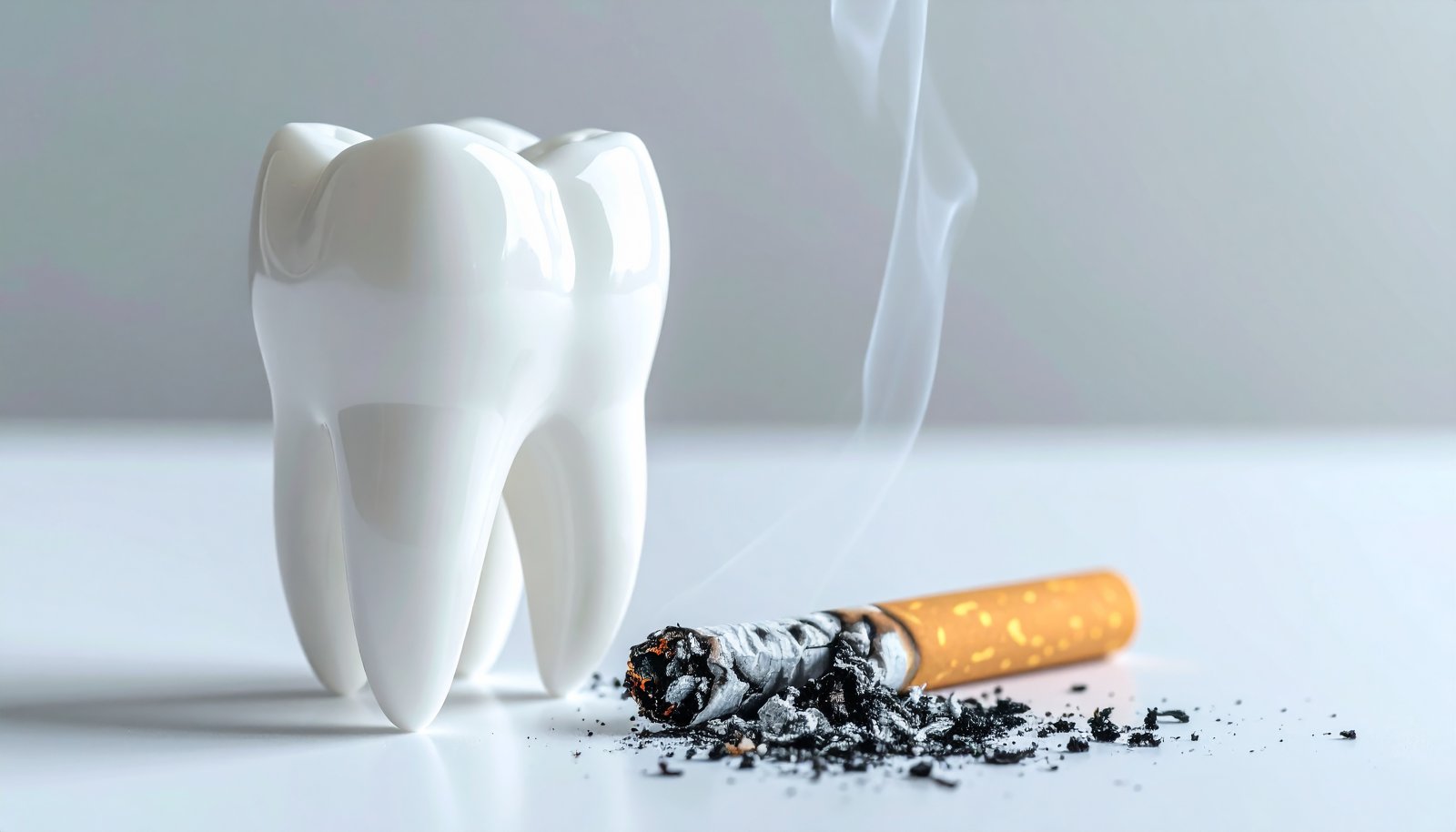
Smoker’s keratosis is a white patch that forms on the roof of the mouth. It is also called smoker’s palate. This condition often affects people who smoke tobacco. Because it is linked to smoking, it is an important sign of oral health risks of smoking. Although it is usually not painful, it can signal changes in the mouth that need attention. Early detection helps prevent further problems.
Causes of Smoker’s Keratosis
Smoker’s keratosis develops mainly due to heat and chemicals from smoking. When you smoke, the roof of your mouth is exposed to hot smoke and toxins. Over time, these irritate the mouth lining. As a result, the tissue thickens and turns white. The main causes include:
In some cases, even passive smoke can play a role. However, the risk is much higher for active smokers.
Symptoms and Signs
Smoker’s keratosis often appears as white patches on the roof of the mouth. Sometimes, you may notice small red dots in the white area. These are minor salivary glands. Common symptoms and signs include:
Although most people do not feel pain, it is important to watch for changes. For example, if the patch changes color or shape, you should see a dentist.
Diagnosis
Early diagnosis helps prevent complications. Dentists usually spot smoker’s keratosis during a routine oral exam. First, your dentist will look at the white patches. Then, they may ask about your smoking habits. In some cases, they might gently scrape the patch to check if it comes off. If the patch looks unusual or does not heal, your dentist may suggest a biopsy. This means taking a small tissue sample to rule out other conditions, such as oral cancer. According to the CDC, regular dental check-ups are key for early detection.
Treatment Options
Most cases of smoker’s keratosis improve when you stop smoking. Therefore, quitting tobacco is the best treatment. Your dentist may also recommend:
In many cases, the white patches fade within weeks after quitting smoking. However, if the patch remains or changes, further tests may be needed.
Prevention and Lifestyle Tips
Preventing smoker’s keratosis is possible. Here are some helpful tips:
Additionally, staying hydrated and avoiding very hot foods or drinks can help protect your mouth.
When to See a Dentist
It is important to see a dentist if you notice any white patches in your mouth. Especially if the patch:
Early evaluation helps rule out serious problems and ensures proper care. Remember, regular dental visits are essential for good oral health.
For personalized advice on smoker’s keratosis and oral health, consult a dental specialist.