
What Is an Apicoectomy?
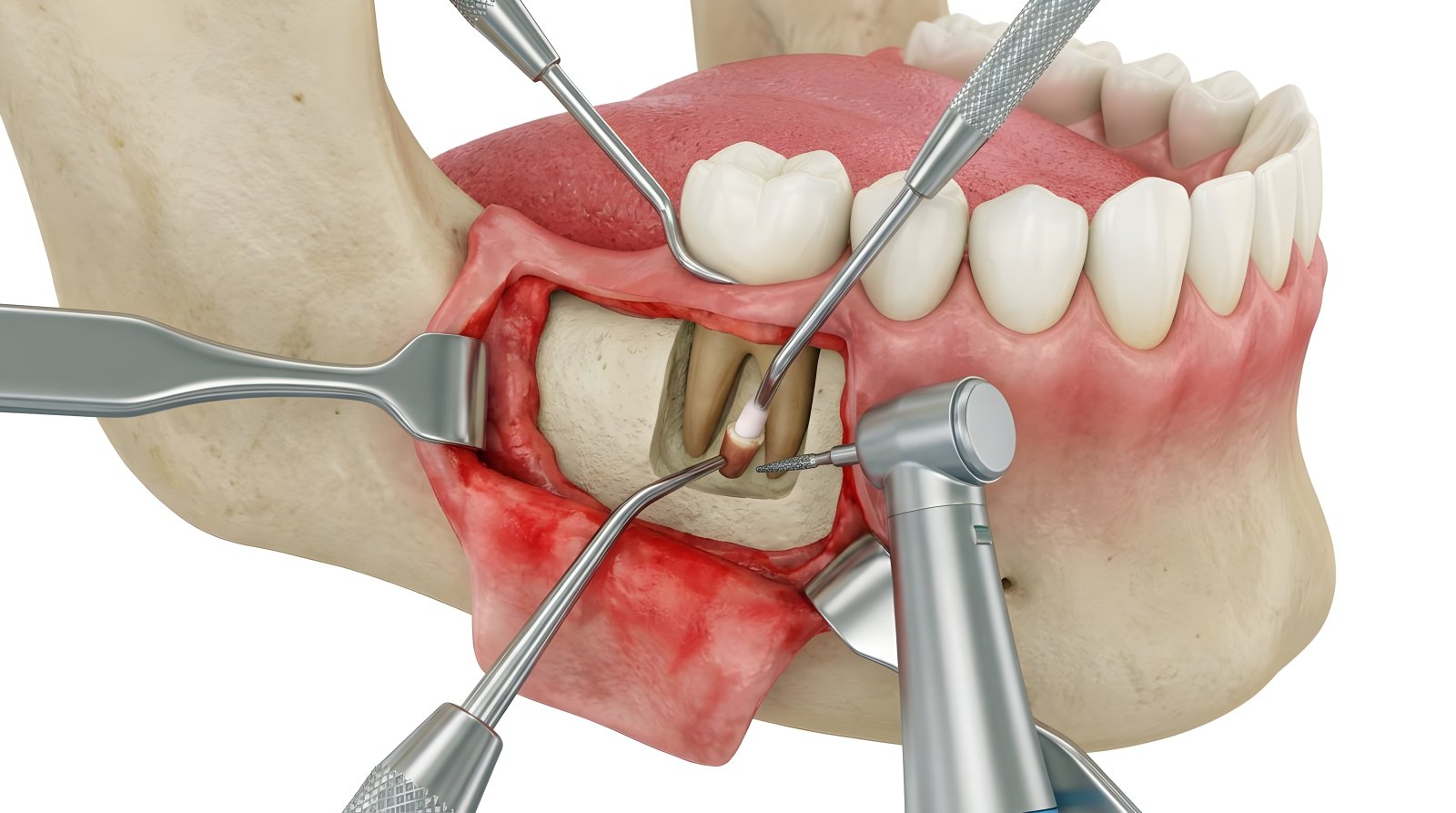
An apicoectomy is a minor dental surgery. It helps save a tooth when a root canal alone is not enough. During this procedure, a dentist removes the tip of a tooth’s root. This area is called the apex. The dentist also removes any infected tissue nearby. As a result, the tooth can heal and stay in place. According to the American Dental Association, apicoectomy is a common tooth-saving dental surgery. Many people call it a root canal surgery alternative.
When Is an Apicoectomy Needed?
Sometimes, a root canal does not fully heal an infection. In these cases, an apicoectomy may be needed. For example, if infection returns after a root canal, this surgery can help. Dentists may also suggest it if the root canal area is hard to reach. Additionally, if a tooth has tiny cracks or extra roots, an apicoectomy can be helpful. This procedure is often the last step before removing a tooth.
Symptoms and Signs That May Lead to This Surgery
Several signs may show that you need an apicoectomy. If you notice any of these, you should see your dentist:
Sometimes, X-rays show problems even if you do not feel pain. Therefore, regular dental checkups are important.
How Is an Apicoectomy Performed? (Step-by-Step Overview)
The apicoectomy procedure is safe and usually takes less than an hour. Here is a simple step-by-step overview:
Most patients can go home soon after the surgery. The American Dental Association notes that this tooth-saving dental surgery is very effective.
Benefits and Risks of Apicoectomy
There are many benefits to choosing an apicoectomy. For instance, it can save your natural tooth. It also helps stop infection and pain. In addition, recovery is often quick. However, like any surgery, there are some risks. These may include:
Most people recover well, especially when they follow aftercare instructions. According to dental journals, the success rate is high.
Recovery and Aftercare Tips
Proper care after an apicoectomy helps you heal faster. Here are some helpful tips:
If you notice heavy bleeding, fever, or severe pain, contact your dentist right away. Most people feel better within a few days.
Prevention and Oral Health Guidance
Good oral care can help prevent the need for dental surgery. For example, brush your teeth twice a day and floss daily. Regular dental checkups help catch problems early. In addition, avoid biting hard foods or objects. If you play sports, wear a mouthguard to protect your teeth. Healthy habits lower your risk of infection and tooth damage.
In summary, an apicoectomy is a safe and effective way to save a tooth when a root canal alone is not enough. If you have ongoing pain or infection after a root canal, this procedure may help. Consult your dentist to find out if an apicoectomy is right for you.