
Introduction
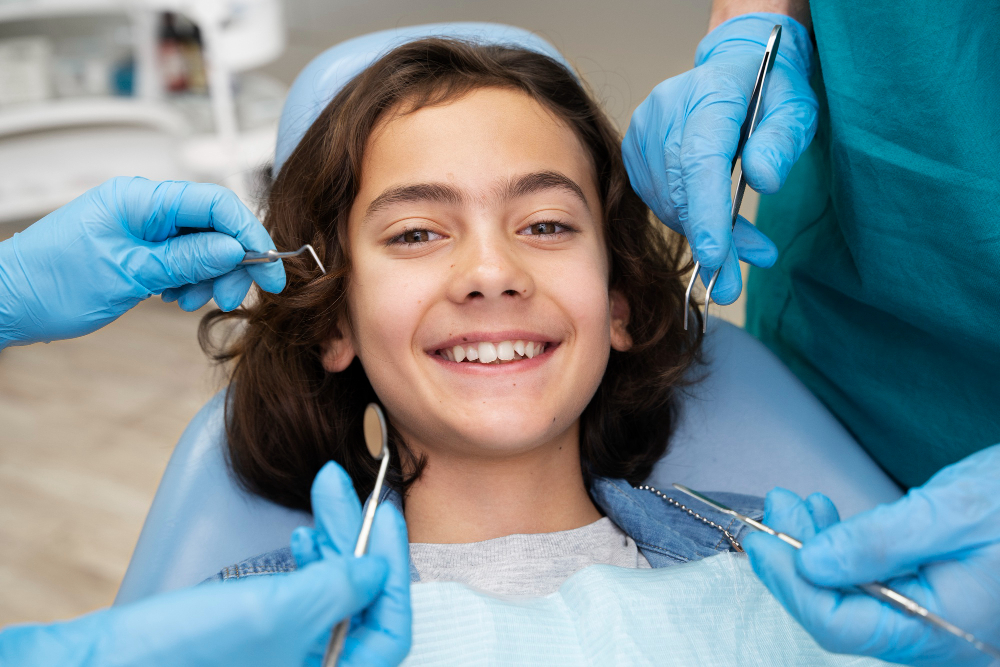
Child dentistry focuses on the dental health of children from infancy through the teen years. Good oral care in childhood helps prevent problems later in life. For this reason, parents play a key role in building healthy habits early. Child dentistry covers everything from baby teeth to braces. It also includes advice on daily care, diet, and regular checkups. With the right guidance, you can help your child enjoy a bright, healthy smile.
Common Dental Issues in Children
Many children face dental problems as they grow. However, most of these issues can be managed or prevented. Here are some common dental concerns:
Because these issues are common, regular dental visits are important for early detection and treatment.
Symptoms to Watch For
Early signs of dental problems can be easy to miss. Still, parents should look for these symptoms:
If you notice any of these signs, schedule a dental checkup soon. Early care can prevent bigger problems.
Causes and Risk Factors
Several factors can increase the risk of dental issues in kids. For example, sugary foods and drinks feed bacteria that cause tooth decay. In addition, poor brushing or flossing lets plaque build up. Some children may have a higher risk due to genetics or certain health conditions. Also, habits like thumb sucking can affect tooth alignment. Understanding these risks helps parents take steps to protect their child’s teeth.
Diagnosis and Dental Checkups
Regular dental checkups are key for healthy teeth. Dentists use exams and sometimes X-rays to spot problems early. During a visit, the dentist will:
Most experts, like the American Dental Association, recommend a dental visit every six months. However, your dentist may suggest a different schedule based on your child’s needs.
Treatment Options
If your child has a dental problem, several treatments are available. For example, dentists may use:
Because every child is different, your pediatric dentist will recommend the best treatment plan.
Daily Oral Care Tips for Kids
Good daily habits are the foundation of children’s oral health. Here are some simple tips:
With these steps, you can help prevent tooth decay in children and keep their smiles bright.
Prevention Strategies
Prevention is always better than treatment. Therefore, parents should focus on these strategies:
Because these steps are simple, they can make a big difference in your child’s dental health.
When to See a Pediatric Dentist
It is best to visit a pediatric dentist by your child’s first birthday or when the first tooth appears. However, you should also see a dentist if:
Pediatric dentists have special training to care for children’s teeth. They can also give advice on kids’ dental care and answer your questions.
Conclusion and Call-to-Action
In summary, child dentistry is vital for your child’s health and happiness. By following children’s oral health tips and visiting a pediatric dentist regularly, you can prevent many dental problems. Remember, healthy habits start at home. For the best care, consult a pediatric dentist for personalized advice on your child’s dental care.